












Please email me for more information.
What do I transfer? Film (negatives, 8mm movies, slides/transparencies), tape (VHS, MiniDV, HDV, Digital8, Regular 8, Hi8, 1/4 inch reel to reel audio), and DVD home movies. What can I transfer to: your hard drive, USB drive, blu-ray BD-R disc, Google Drive, etc.
I find it strange that there are almost no services for transfers of home movies and photos in the highest quality. Read the reviews of those bulk low-price transfer companies to see why so many are dissatisfied. I feel that there is a market for those who can tell the difference and who want high quality scans and transfers using dedicated equipment, not some flatbed scanner running at far less than full resolution, and with only “automatic” adjustments that only further degrade an already low-quality scan. Many of these transfer companies with YouTube channels reveal that they are still using standard-definition equipment made 20 years ago and advertising it as high quality because they can show a before and after “restoration” of just clicking the auto white balance button. Some of these places even just take a photo of each slide with a regular camera and call it a day! As TV’s and displays continue increasing in quality and resolution, it is easy to tell the difference between an “Instagram-quality” photo and a professionally transferred one that will still look good with display equipment made in future decades.
My service is the only one I’m aware of that exists far below the $20,000 cost to scan 2 hours of film professionally (this cost does not include editing and processing to give you a final result, which I do) but that is far above the quality (and only modestly above the cost) of those bulk transfer services that may spend a total of a few hours of their time for a few hours of film instead of the days of capturing and processing that I would spend on the same amount of film. You may also consider those cheap transfer boxes that look like a projector, but they suffer from poor optical quality, low actual resolution, and basic lighting, similar to the above-mentioned 20-year-old professional equipment. My custom-built setup uses customized hardware: a computer-controlled lighting system with individual RGB LEDs (with custom software that optimizes color and RGB LED exposure for the specific frame being captured) which is no longer offered to hobbyists and is now only available in professional machines in the $12,000 to $30,000+ range.
Posting with permission a testimonial from Tyler for a scan of over 100 slides: “Joe from Model F Labs did a fantastic job. After the recent death of a family member, I found several boxes of Kodachrome and Ektachrome slides. I have no experience with slide transfers and a quick Internet search showed a pretty wide range of digitization services. I noticed that Model F also digitized film when I purchased a keyboard from them and decided to send in my originals – my only copies of photos from 1959 to 1980. I sent them around the holiday season, but the transfer didn’t take long. Joe was accommodating to my needs (slow Internet), and communicative. Most importantly the transfer was extremely high quality. I thought most of these memories were going to be lost forever and my son would never really know what his grandfather looked like. It was profoundly moving to see these, full sized, looking better than the originals despite the damage they received over the years. I can’t thank Joe enough.”
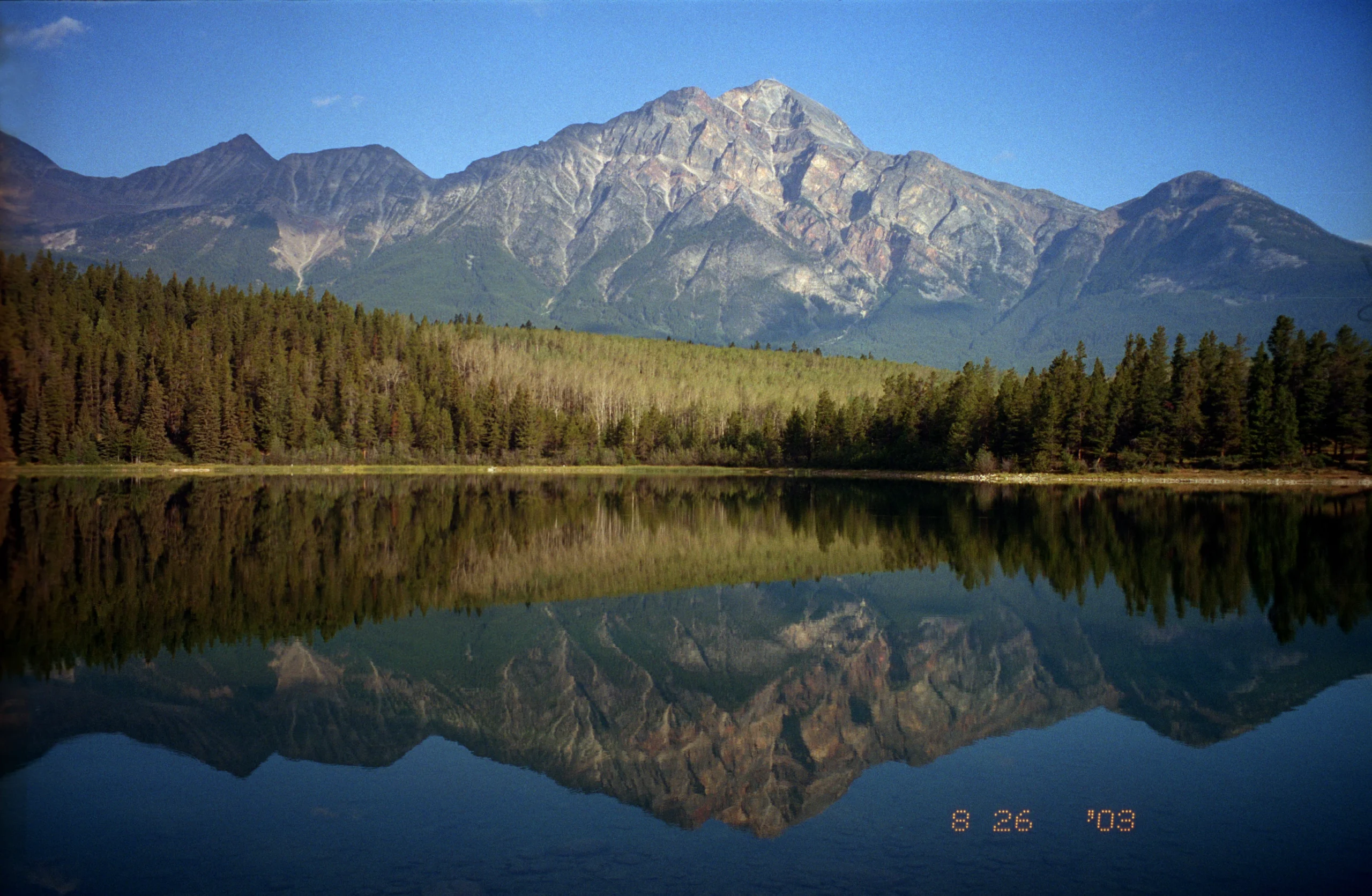
Slide and negative scanning services: I have scanned and restored thousands of Kodachrome / Ektachrome 35mm slides and 35mm Kodak and other brand negatives over the years and use the latest Nikon scanners (Coolscan V and 5000). These machines are finicky and it took a while for me to master the correct configuration settings to get a really good scan. No other scanner besides a drum scanner ($100/photo, no automatic dust removal) can beat the resolution and color reproduction. Save your negatives! There is a big quality increase with scanning negatives instead of scanning prints.
$100 minimum job and $5 per edited slide/negative. I also scan medium format negatives with my Epson V700), same cost and minimum. You can see some of my medium format scans from the 1920s and 1930s (all the black and white ones at the bottom of this page). You get the full 16/14-bit unedited 4000 DPI TIFF file along with my edited TIFF and a JPG.
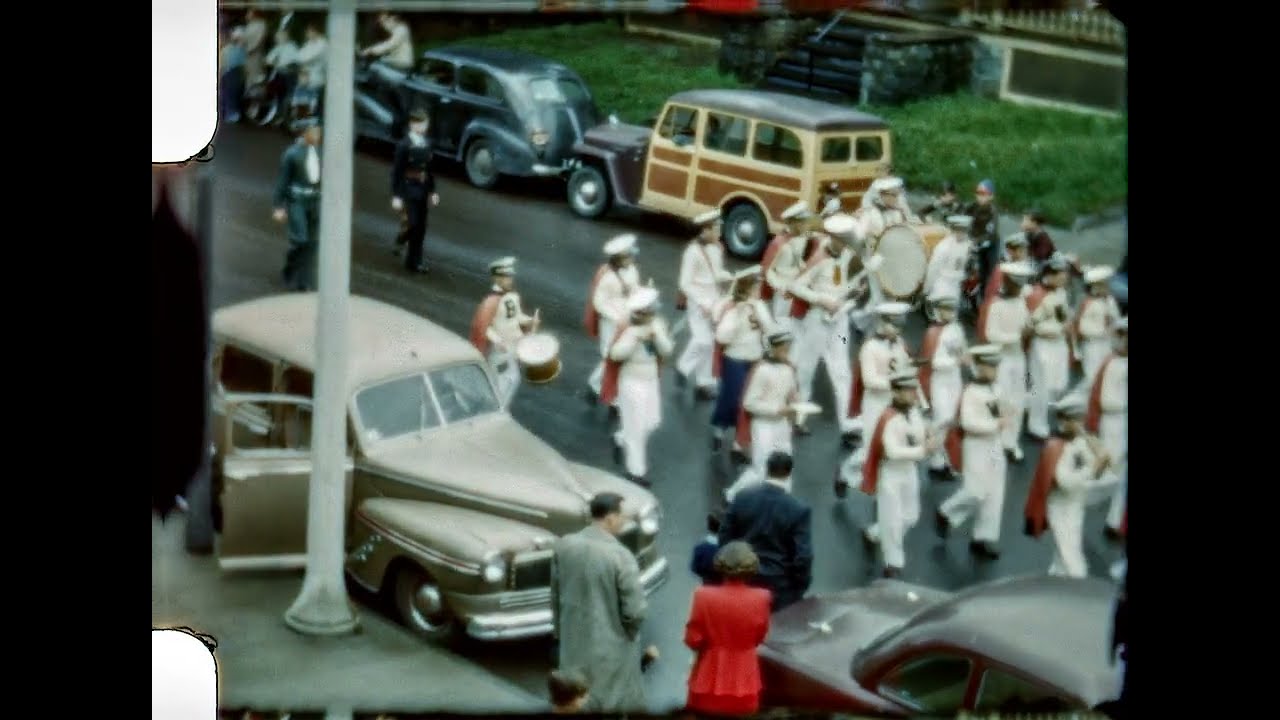
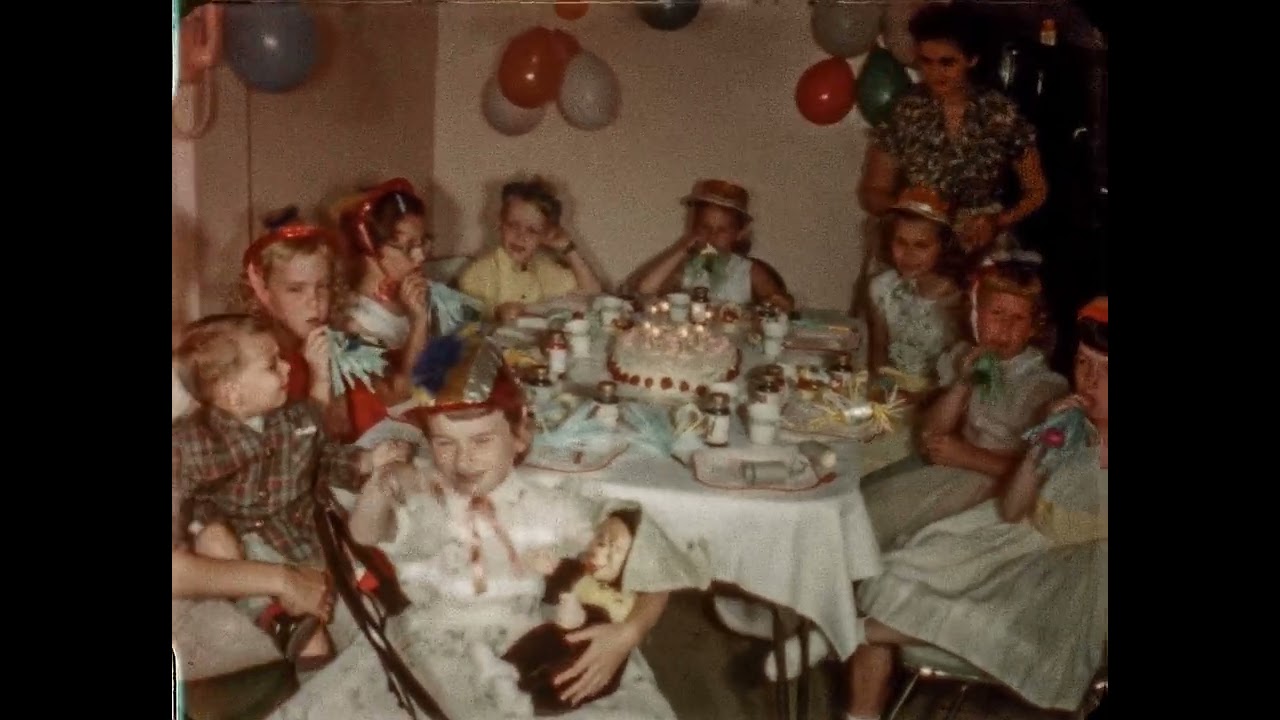
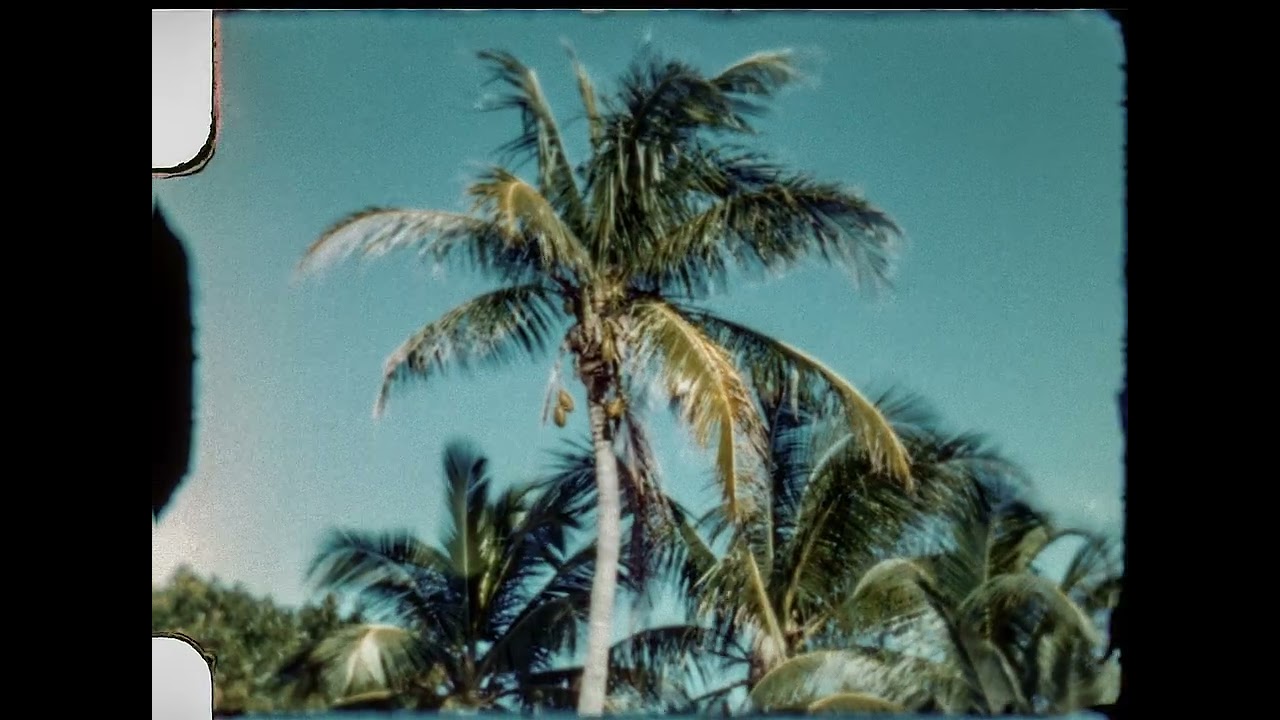
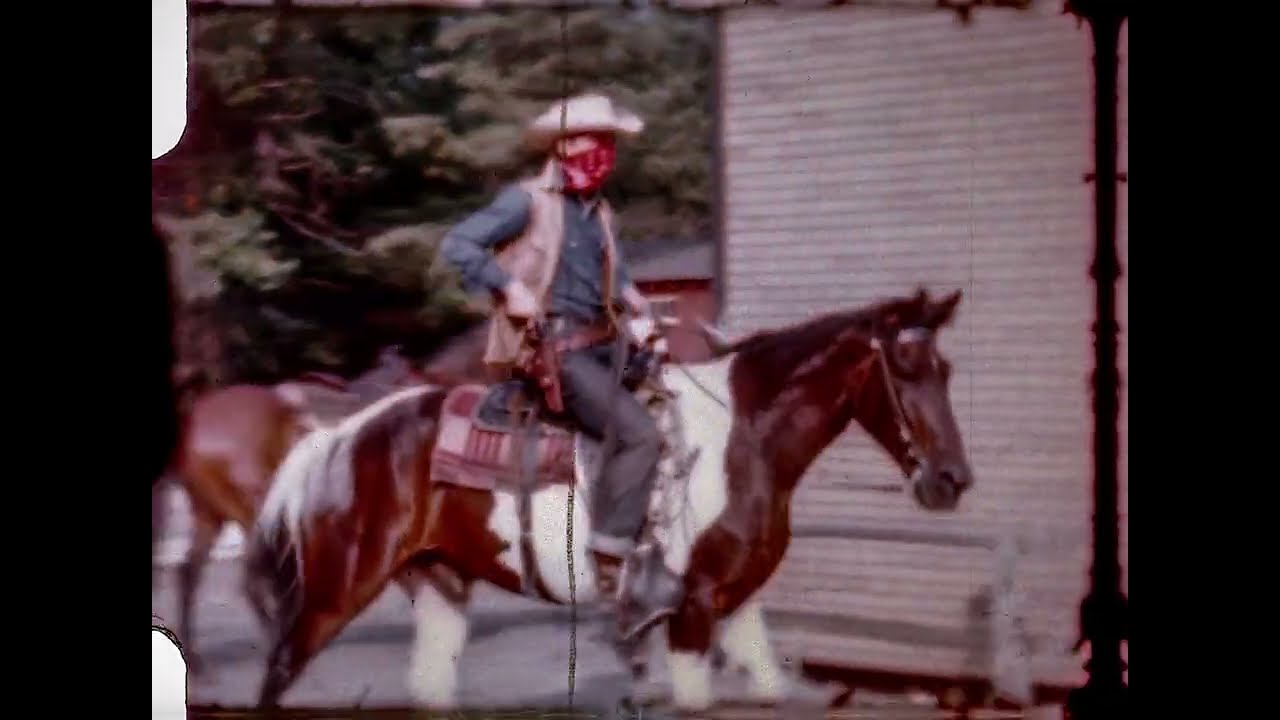
Super 8 scanning services: This is definitely a passion of mine since I first started transferring films in 2004 and recording my grandfather commenting on his films (an early “director’s commentary”!). Actual family films I’ve scanned are in the below clip, to get an idea of the best of what Super 8 can offer, when properly transferred. Don’t believe folks telling you that 8mm films are low quality and only offer Standard Definition DVD resolution (as mentioned above, they don’t know any better because they are still using 20 year old video camcorders). To set expectations, you’ll still see many scratches and specks of damage on your films (and maybe mold/mildew) and some jumps due to sprocket damage, since no one can go through 10,000 frames manually which would be needed to remove everything. You may also want to check your films as some may have mold or mildew which is a common issue with storage in basements or other high humidity areas, so your films may not produce a good image. If your reel has “vinegar syndrome” (often reels stored in metal cans and the film appears bowed/crumbling; google it for photos) then I cannot transfer it.
It’s not just a matter of playing back the film real-time with a video camera pointed at it, like those $35 shops do. Since I normally spend a couple days on each reel, my fee is $50 per 50 foot reel with a $100 minimum for each job. Transfers are on a “best efforts” basis; note that there are no partial refunds for bad or blank footage (even if it’s deleted) as I still have to perform all of the labor to clean and transfer the film, even if it turns out to have no acceptable image. The thinking was that the professional places that just use an old video camera and play back the footage and call it a day charge $30 to $40, while my process captures each frame individually on a custom built system that produces individual TIFF files, then they are cropped and bulk edited in Adobe Lightroom to bring down the highlights and show more of the image than what an 8 bit camcorder can capture, and then I run the video through a customized software to fix it up, remove some specks and lines, and stabilize it. If I have time I can do some color timing if things look a little off. The output file will be an exact, non-resized, approximately 3 MP resolution file at 16/18 fps (Regular/Super 8), with file encoding specifications that you can request if you’d like. For example one file may be 2006×1410 while another may be 1950×1400, depending on the film and camera used, so there is zero quality loss due to resizing. All in, the files for a 50 ft reel are over 250 GB. Happy to send you all the original files for your own processing/recordkeeping (I suggest sending a hard drive based on how many feet of footage will be transferred) or just send you the final files. In terms of the next steps, when you have some time please confirm the number of feet and the pricing, and then you can mail everything off. I suggest having the UPS store employees professionally pack everything and I recommend purchasing insurance since things can be damaged in shipping.
VHS transfer services: I use a high end setup with lossless AVI output available. $50/tape and $100 minimum job. Beware of shops that offer VHS transfer and just use a normal VHS player connected to a $20 USB capture card with composite input (those yellow-red-white cables). Some transfer shops even admit on their YouTube channels that this is how they do transfers! The increase in resolution is quite noticeable for SP mode VHS tapes. The highest quality setup involves JVC HR-DVS3U S-VHS VCR going by S-Video to a Windows XP computer with a special ATI All-in-Wonder X1900 graphics/capture card, the latest model that offered high-quality, unaltered capture with superior color accuracy. The files are YUY2 4:2:2 to get the full quality in the smallest, losslessly compressed file. Deinterlacing is done through Selur Hybrid’s QTGMC.
I also transfer small-format tapes (MiniDV, HDV, Digital8, Regular 8, Hi8), DVD-recordable home movies, and home movies already on DVD (including from camcorders that recorded directly to mini DVD-Recordable discs). Some were improperly finalized and you may not have been able to play them on a regular DVD player, but I should be able to get it extracted. $50/DVD and $100 minimum job.
I offer DVD and blu-ray duplication services and transfers of home movies to DVD-R and BD-R blu-ray. I have the duplication equipment to make many copies to share with friends and family. Pricing is quoted based on the job requirements.
Here are the scripts and files I use, along with my notes, which may help you do your own transfers. The problem is in getting and setting up all of the transfer machines and modern capture parts, which as I mentioned above are no longer available to purchase, especially the custom lighting system described above, which is the key to these good capture results. Please excuse YouTube destroying the original quality of these films (altering the colors and saturation, crushing the shadows, eliminating detail and grain). The originals look noticeably better!
Setup:
1. Eumig Mark 610D, projector blades removed, gate widened, set to 9fps capture. Hall effect sensor with magnet attached to the cam (?) inside
2. Point Grey Machine Vision camera CM3-U3-31S4C-CS Chameleon3 3.2 MP Color USB3 Vision (Sony IMX265) + Point Grey 9 pin 0.15m GPIO Cable with JST Connector
3. Schneider Componon 50mm f/2.8 lens, set to f/5.6
4. Kulicke Soffa Multi-axis linear positioning xyz stage for focus and framing adjustment of the camera
5. Flim cleaned with Filmrenew; no wetgate transfer
6. Cine2Digits Lighting System and Capture Program, capturing to 16 bit TIFF, highlights and shadows restored with lightroom and saved to 16 bit TIFF, processed with an updated version of videofred’s script
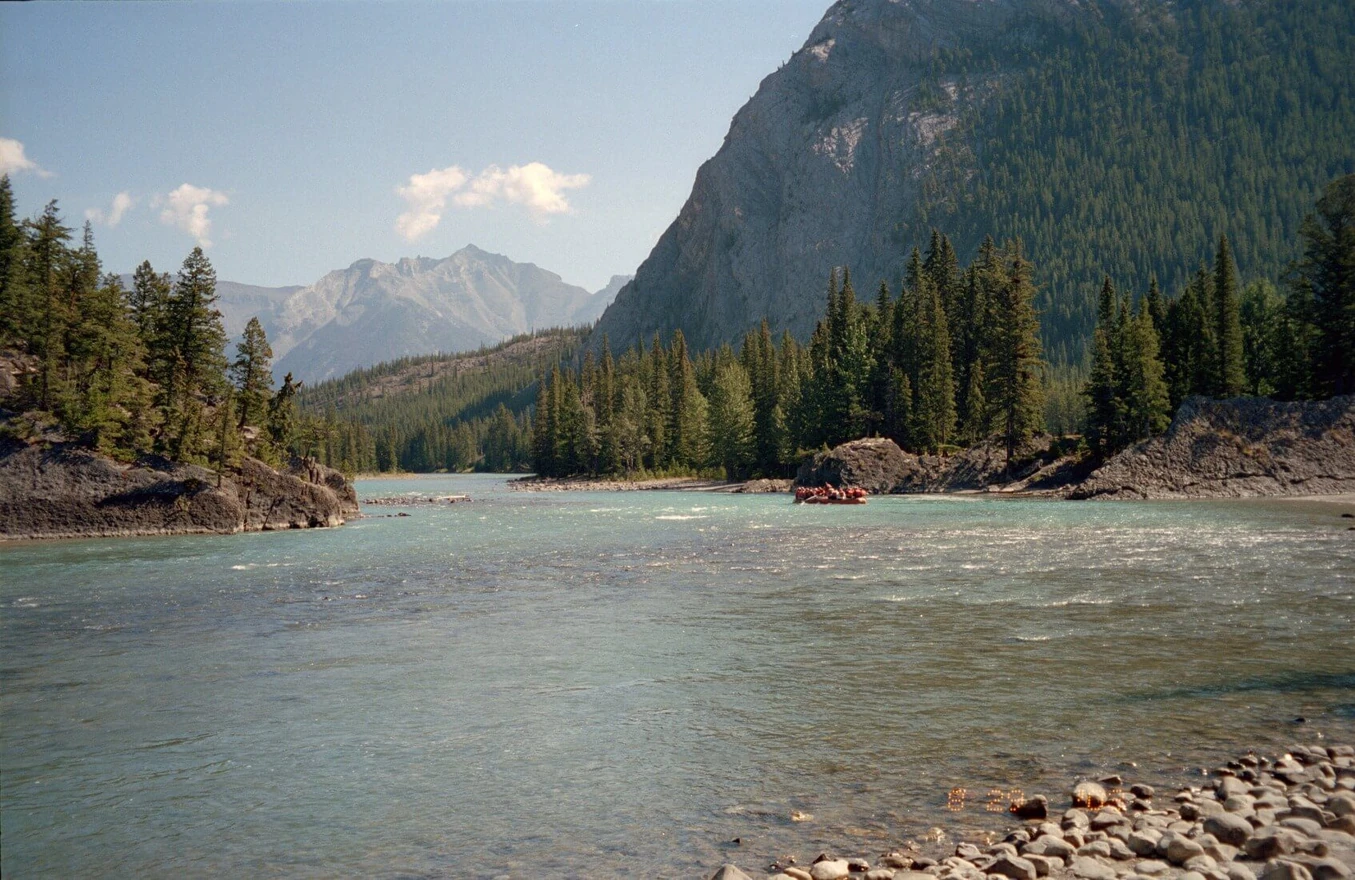
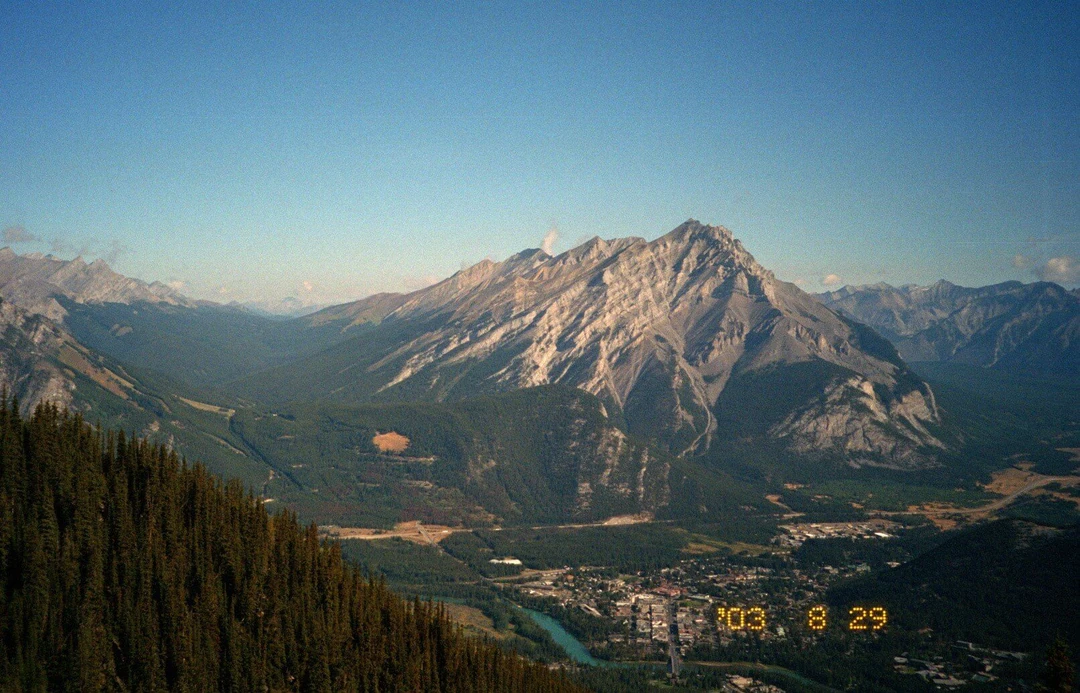
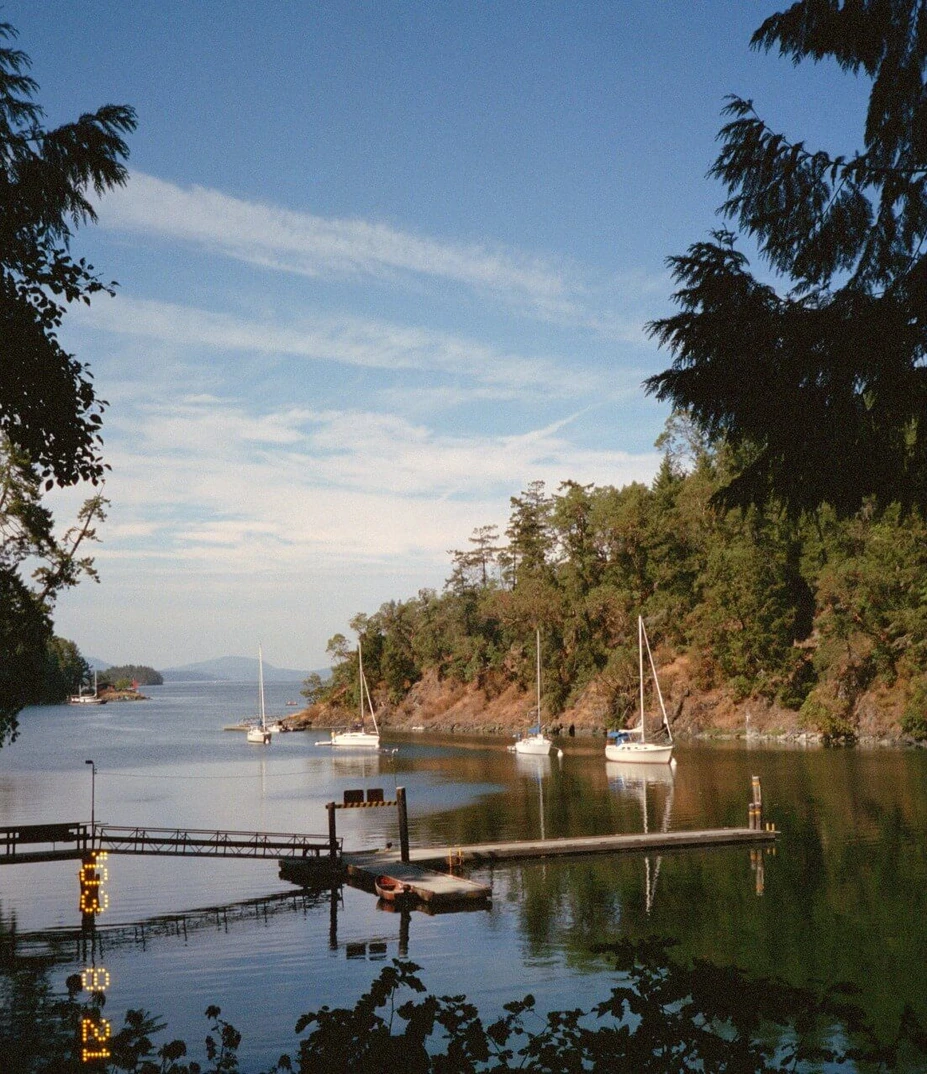
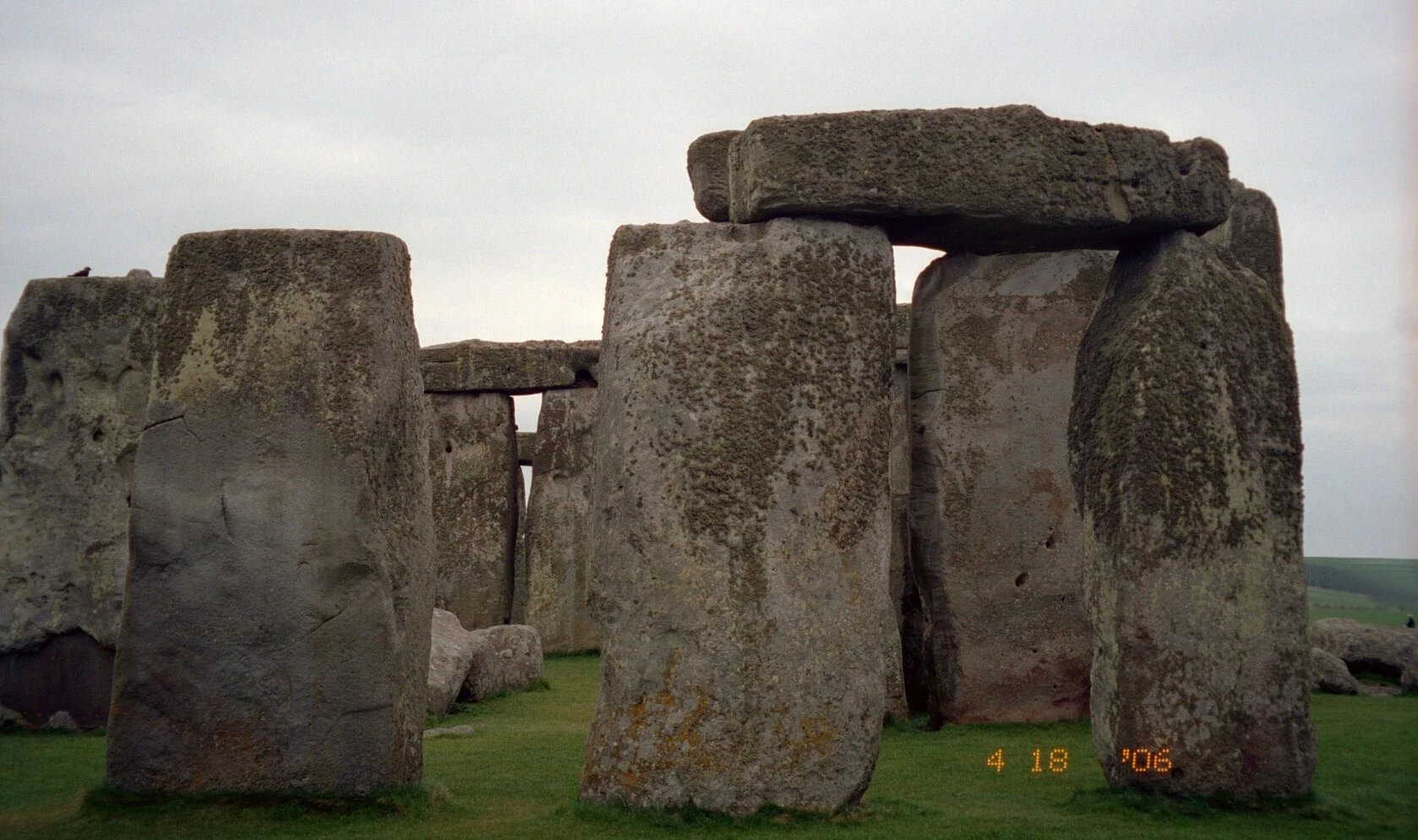
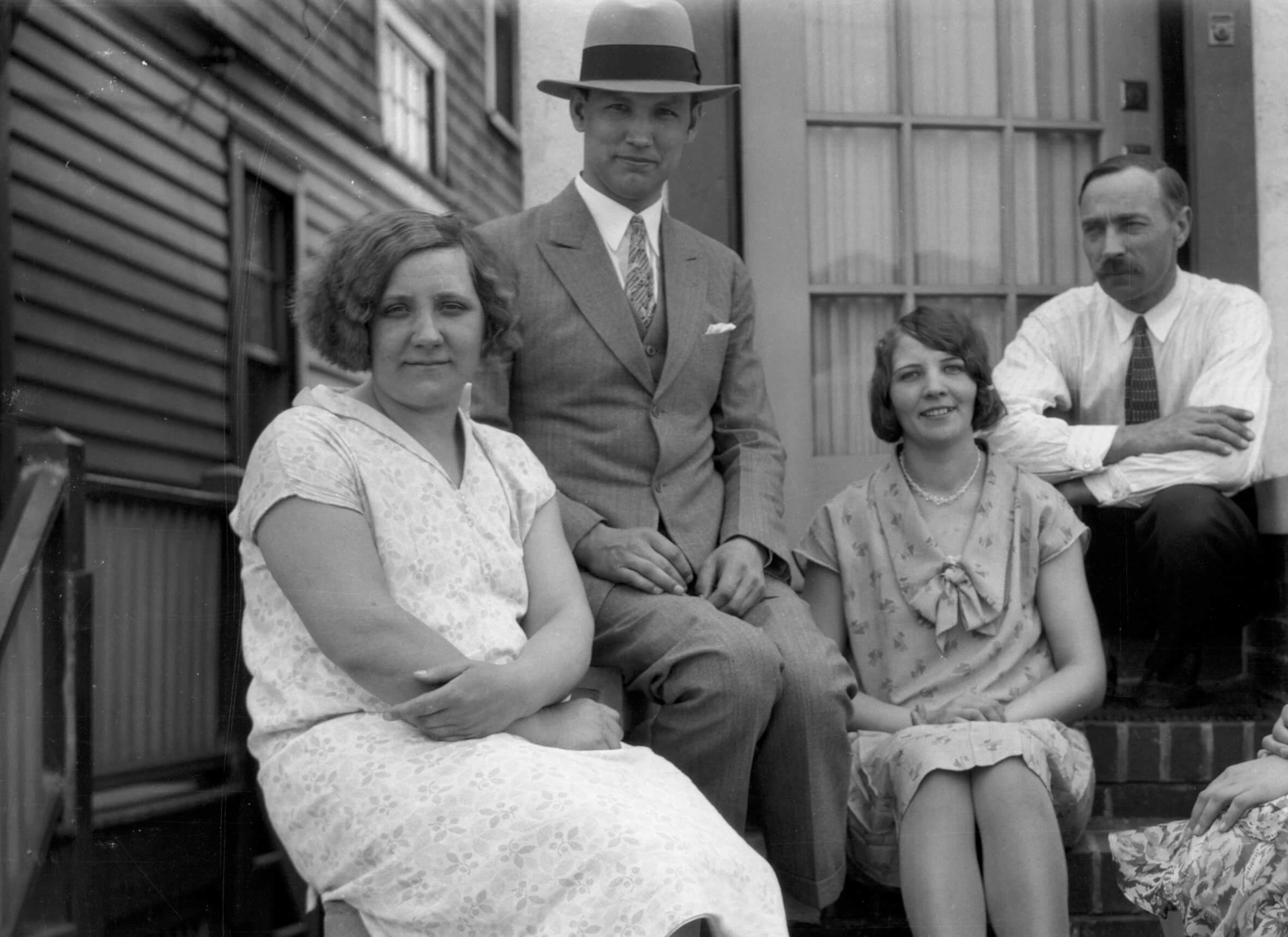
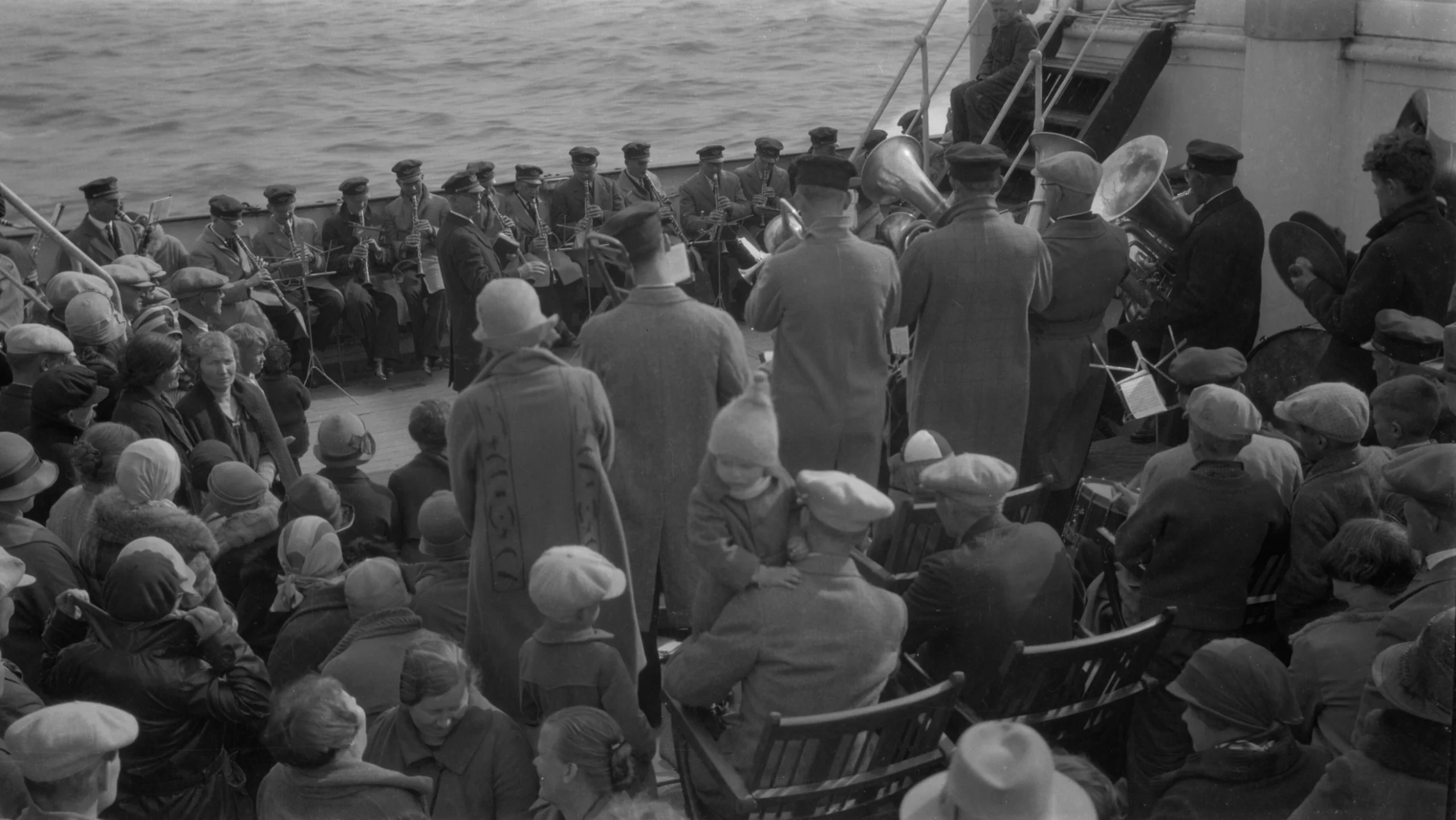
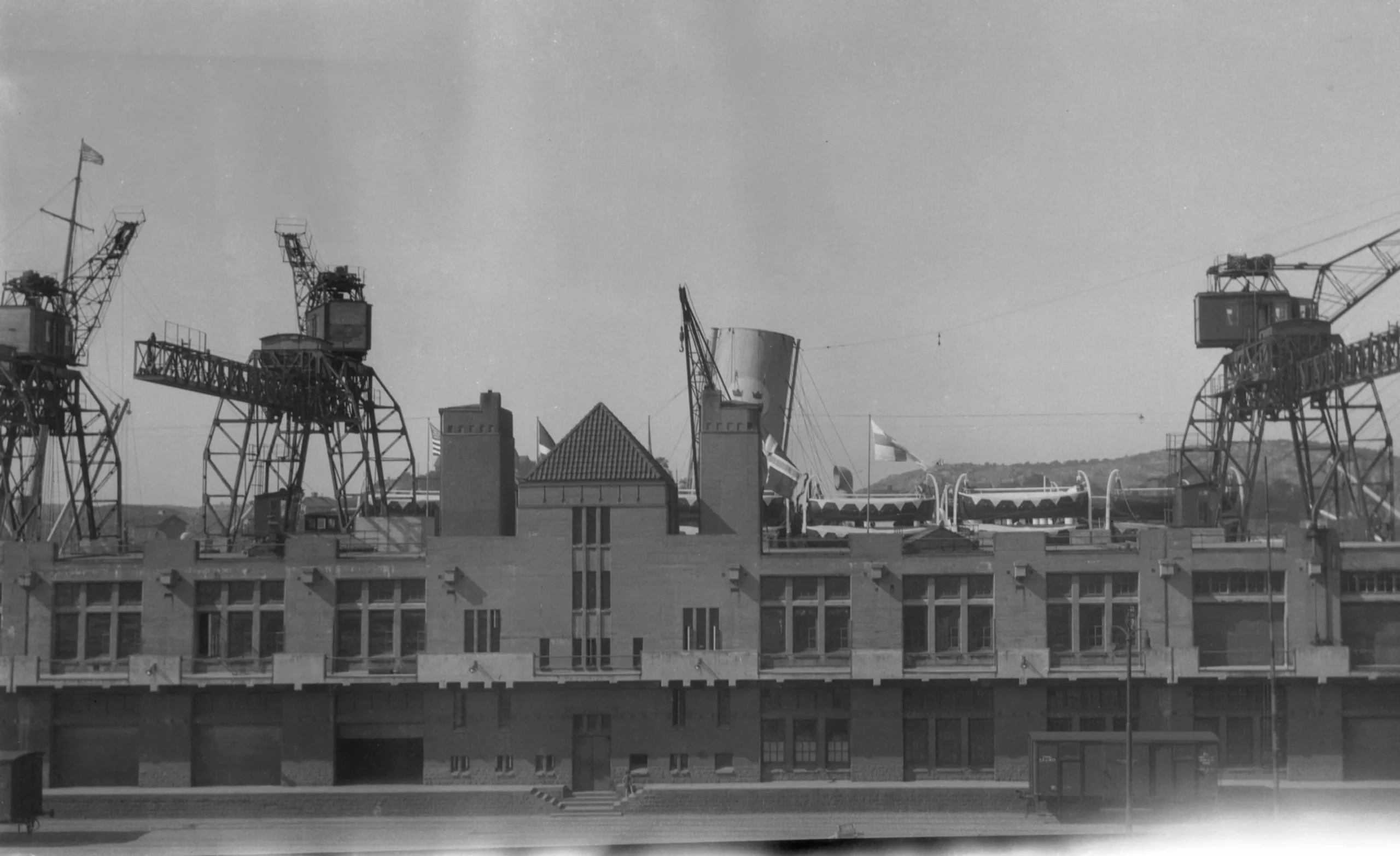
Examples of my 35mm and medium format scans can be found in the image gallery.
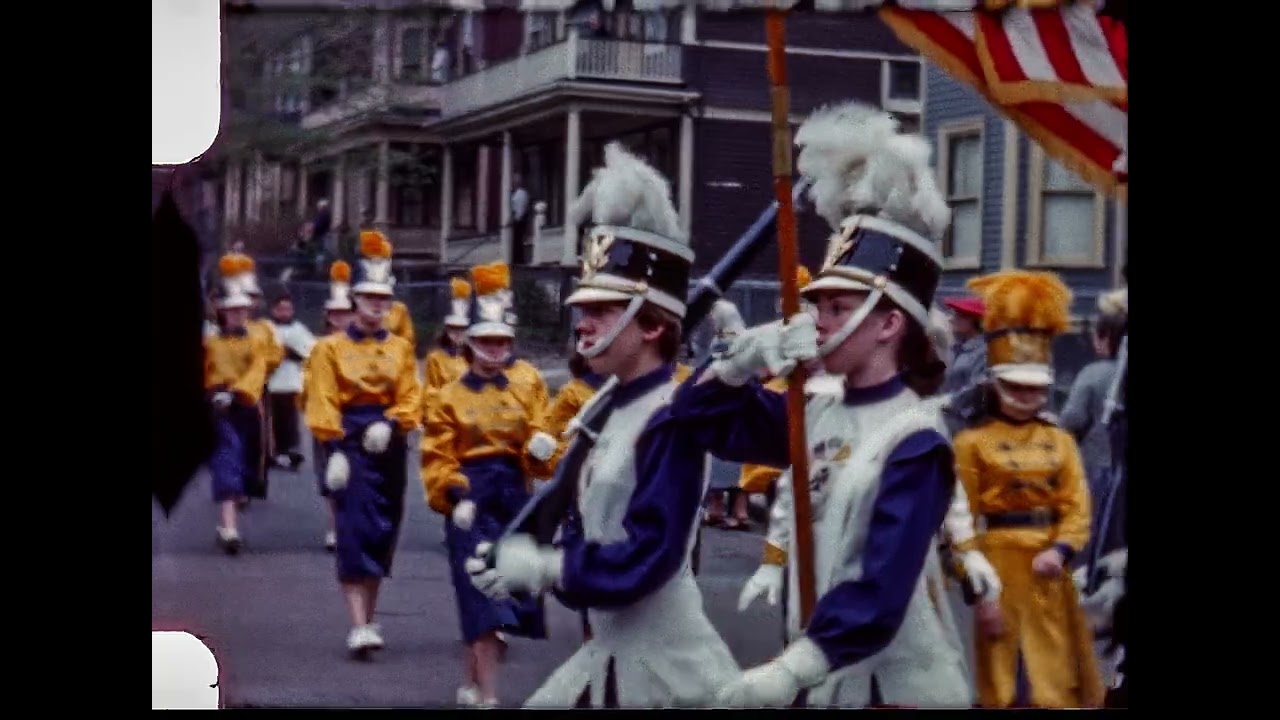
Still frame from my 8mm transfer:

Sample Super 8 and 8mm Clips I have transferred: